Seasonal Eating
Seasonal eating is best for our planet and our palates. As animals that are a part of nature, we instinctively recognise and respond to annual cycles, which is reflected in what we fancy for tea. Though the constant availability of produce can distract us from this, fruit and vegetables really are better when enjoyed at their peak, from somewhere nearby, before they come to an end and we can embrace their replacement.
Our plates should reflect our surroundings, and it makes sense that we crave the warmth and comfort of things like porridge and stews in winter, and in the summer, more hydrating, refreshing meals like a well-constructed salad (no bland bowls of lettuce here, we’re talking multi-dimensional creations with crunch, zing and all manner of colours and flavours).
To help support you in fuelling yourself in this exciting, environmentally friendly way, here is an outline of what you can look forward to receiving in your boxes as we move through the seasons. We always prioritise what’s growing locally, but also understand variety is important and some things like lemons are crucial to the modern cook.
As you know, we clearly show the origin of every item in your order, and you are free to make swaps if you’d prefer more pears over grapes (we’d love to source these from a Sussex vineyard…) or are feeling sunshine-deprived and want a mango this week, instead of apples. Between June and February, when British crops are abundant, we also offer strictly seasonal boxes exclusively from super-local suppliers in Sussex and Kent: look out for these in our online shop. The months where we don’t offer this box are often referred to as the ‘hungry gap’. To read more about this period head to the bottom of the page!
The produce below is in addition to the inclusion of onions, carrots and potatoes, which most people’s recipe repertoire calls for regularly and are usually sourced from UK suppliers. Mushrooms are also cultivated in this country all year round and every week we will include some leafy goodness from our farm; it could be rainbow chard, cavolo nero, purple kale or mixed salad.
Spring
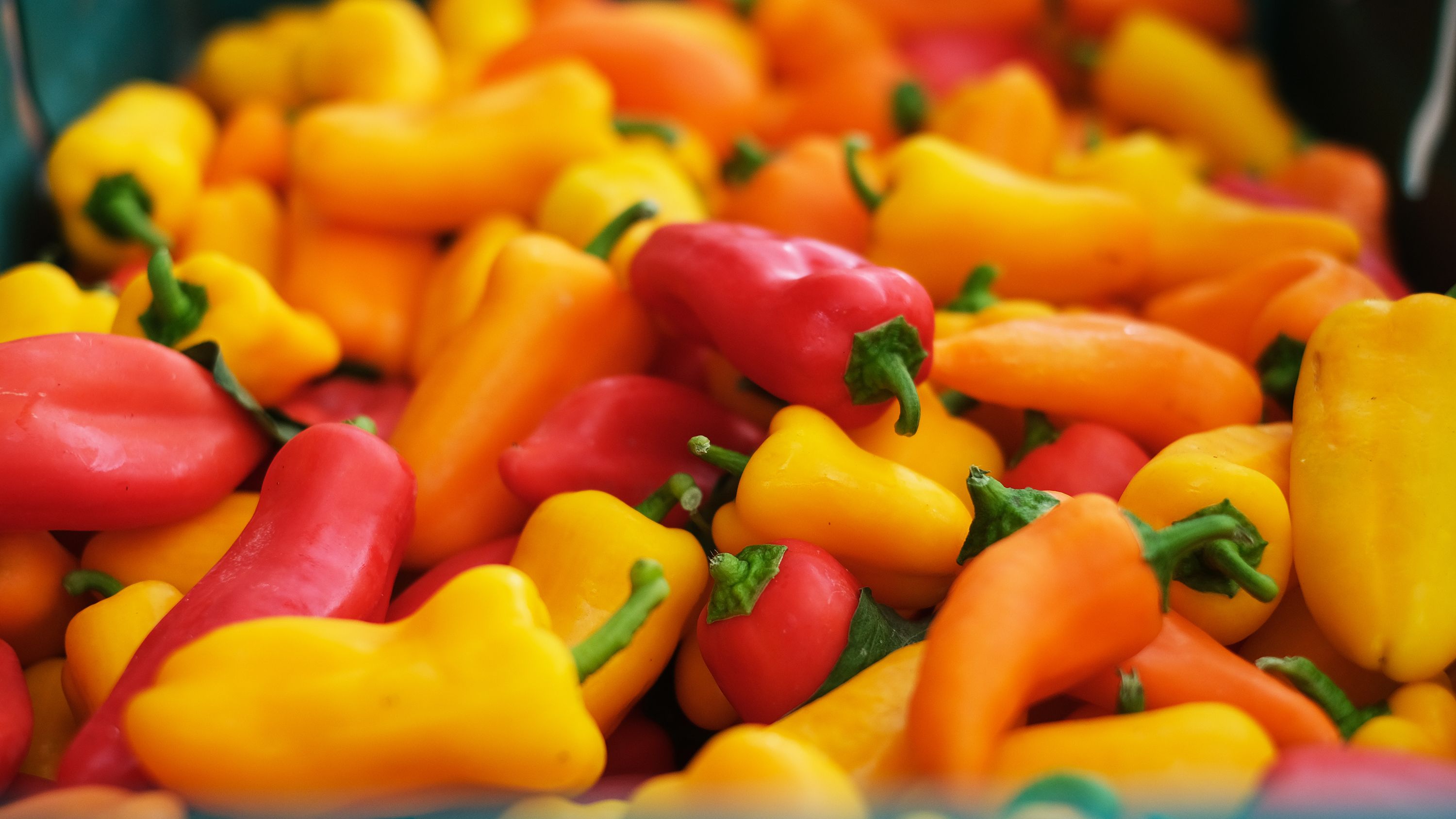
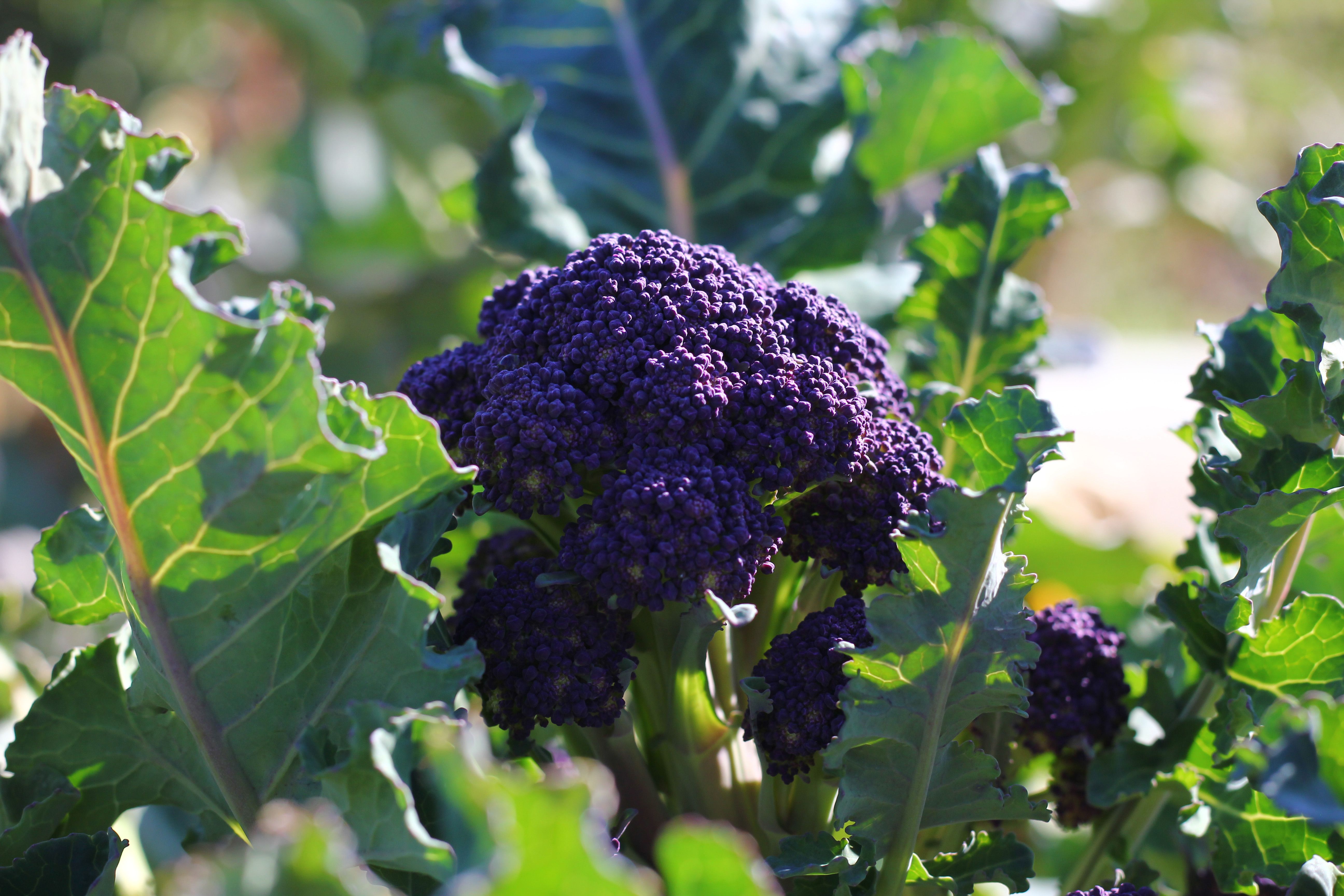
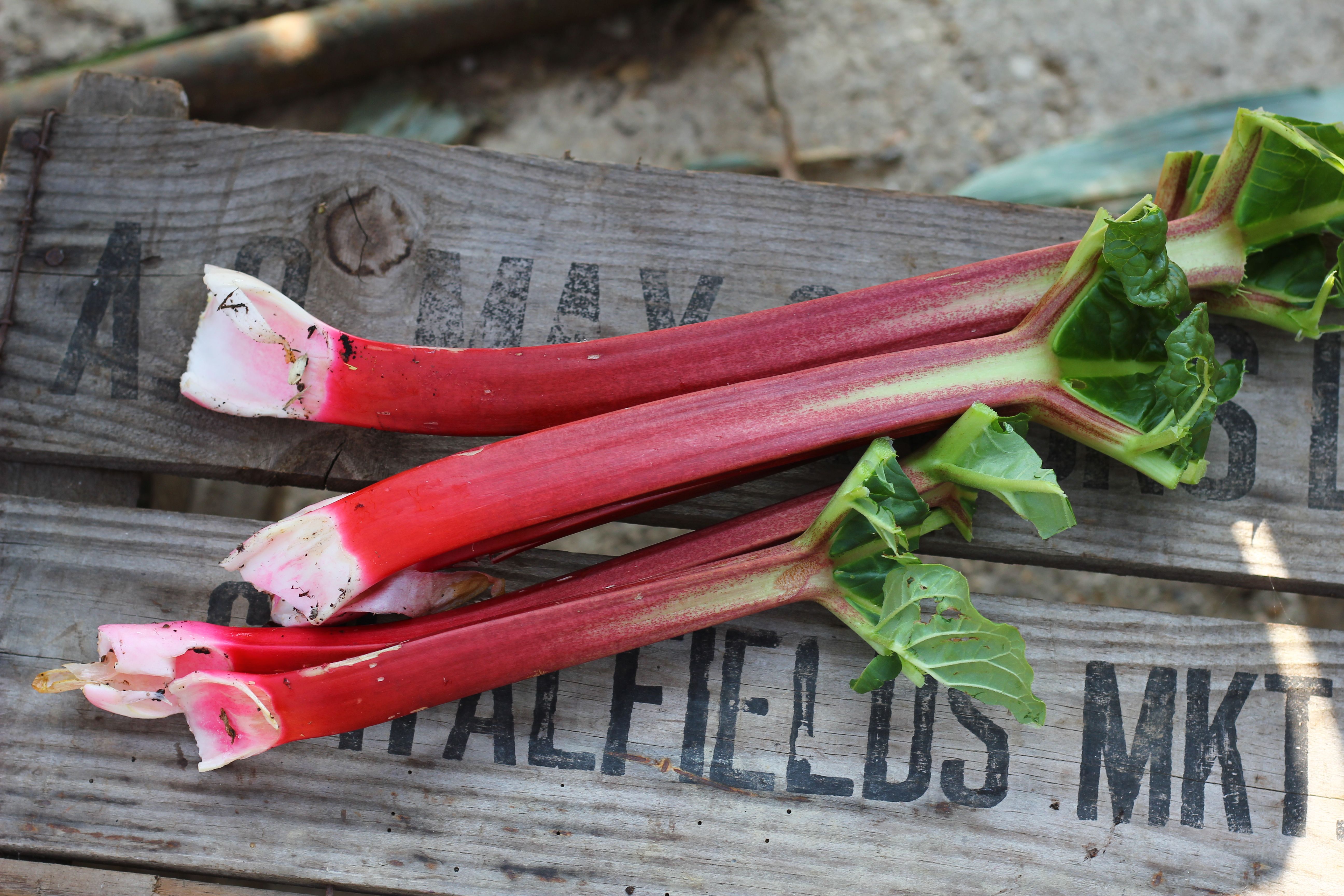
In early spring the first things we pick from our farm are; purple sprouting broccoli, green garlic, true spinach, radishes, salad turnips, spring greens and bunched carrots. We also relish leek ‘scapes’ and brassica tops as these crops, which have fed us over winter, bolt with the increased light and make sweet shoots that we cut off before they turn into flowers. As spring gets into full swing so does our rhubarb and asparagus and before you know it we can also offer broad beans, sugar snap peas, spring onions, bunched beetroots and parsley.
From other UK farms we source spring cabbages and cauliflowers and new potatoes.
From further afield we source Spanish avocados (their season is from December to May, when the Peruvian season begins). At this time of year cucumbers, beans, peppers, tomatoes and so on will also come from Spain and other sunnier climes.
We encourage responsibly foraging sorrel, nettle, three cornered leek and wild garlic (we also have a patch in our woodland which we gather on behalf of customers!)
Summer
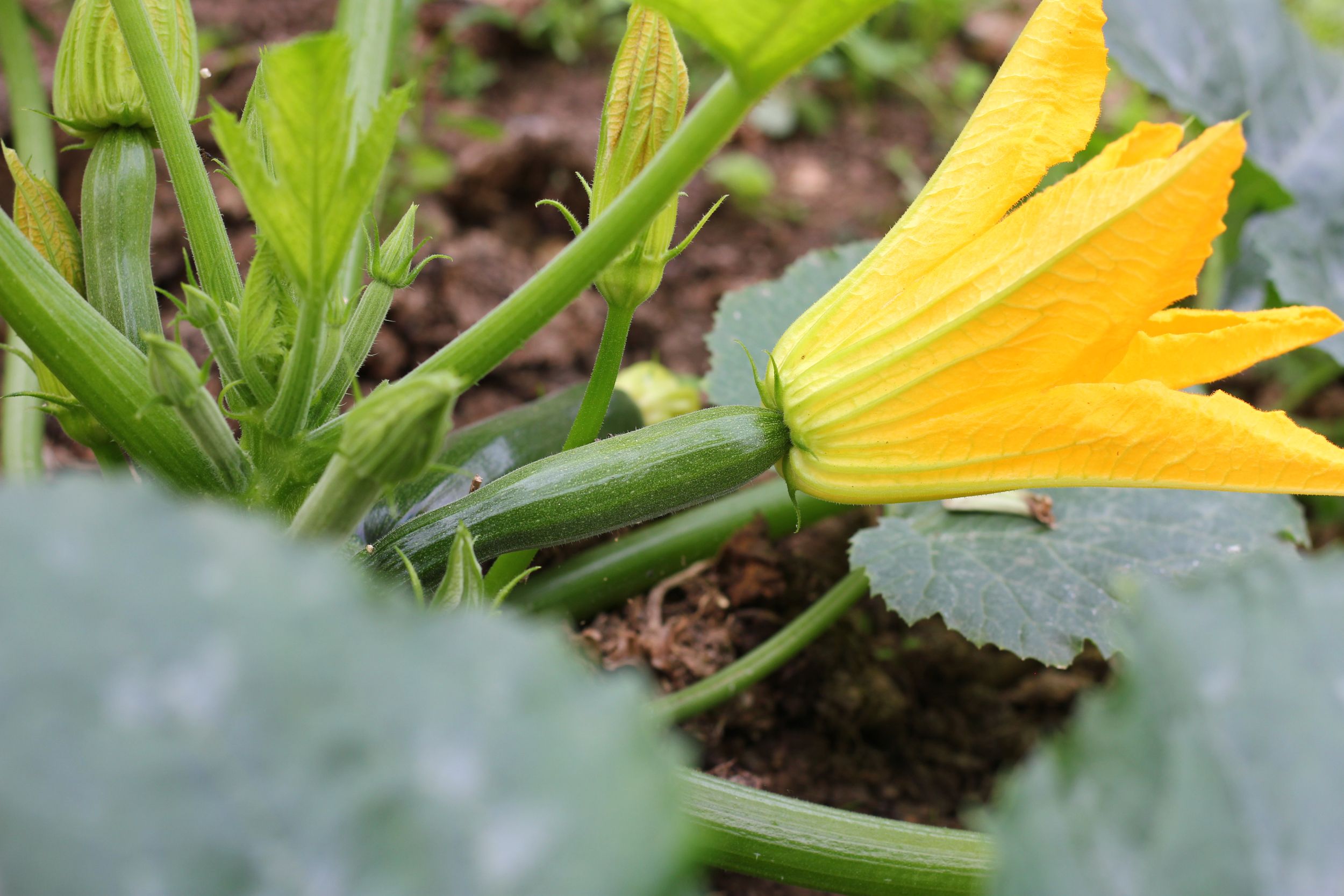
As we move into summer, (in order of appearance, or ripeness), from our farm come; more bunched beetroots, lettuce, cucumbers, courgettes, tomatoes, basil, fennel, peppers, aubergines, french beans and chillies, as well as peaches and figs. Now is the time to celebrate locally grown Mediterranean ingredients.
From UK farms we source berries, celery, cherries, currants, kohl rabi and sweetcorn.
From further afield we source stone fruits (starting with apricots and peaches and ending in nectarines), melons and grapes.
We encourage responsibly foraging elderflower, rose petals, wild herbs and edible ‘weeds’.
Autumn
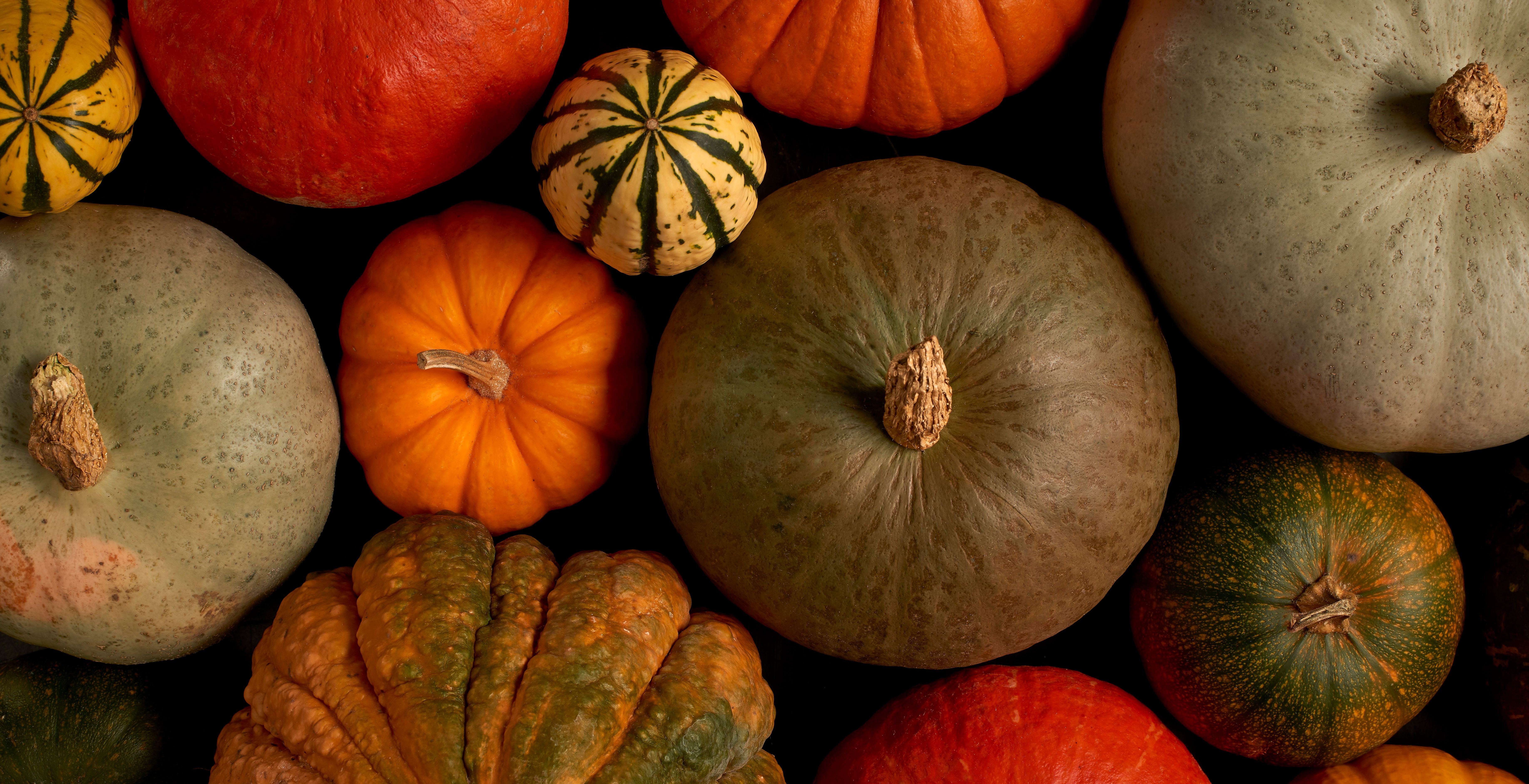
In autumn it’s time to harvest a lot of what we grow: squashes, celeriac and our very own sweet potatoes! Cooler temperatures also mean you’ll find coriander, rocket, watercress and Asian greens like pak choi in our under cover areas.
From UK farms we source plums, apples, pears, speciality mushrooms, cabbages (red, white, savoy and January King), swede, parsnips, beetroot, Jerusalem artichokes, cauliflower and broccoli.
From further afield we source pomegranate and persimmon.
We encourage responsibly foraging elderberries, rosehips, mushrooms, blackberries, sloes and damsons.
Winter
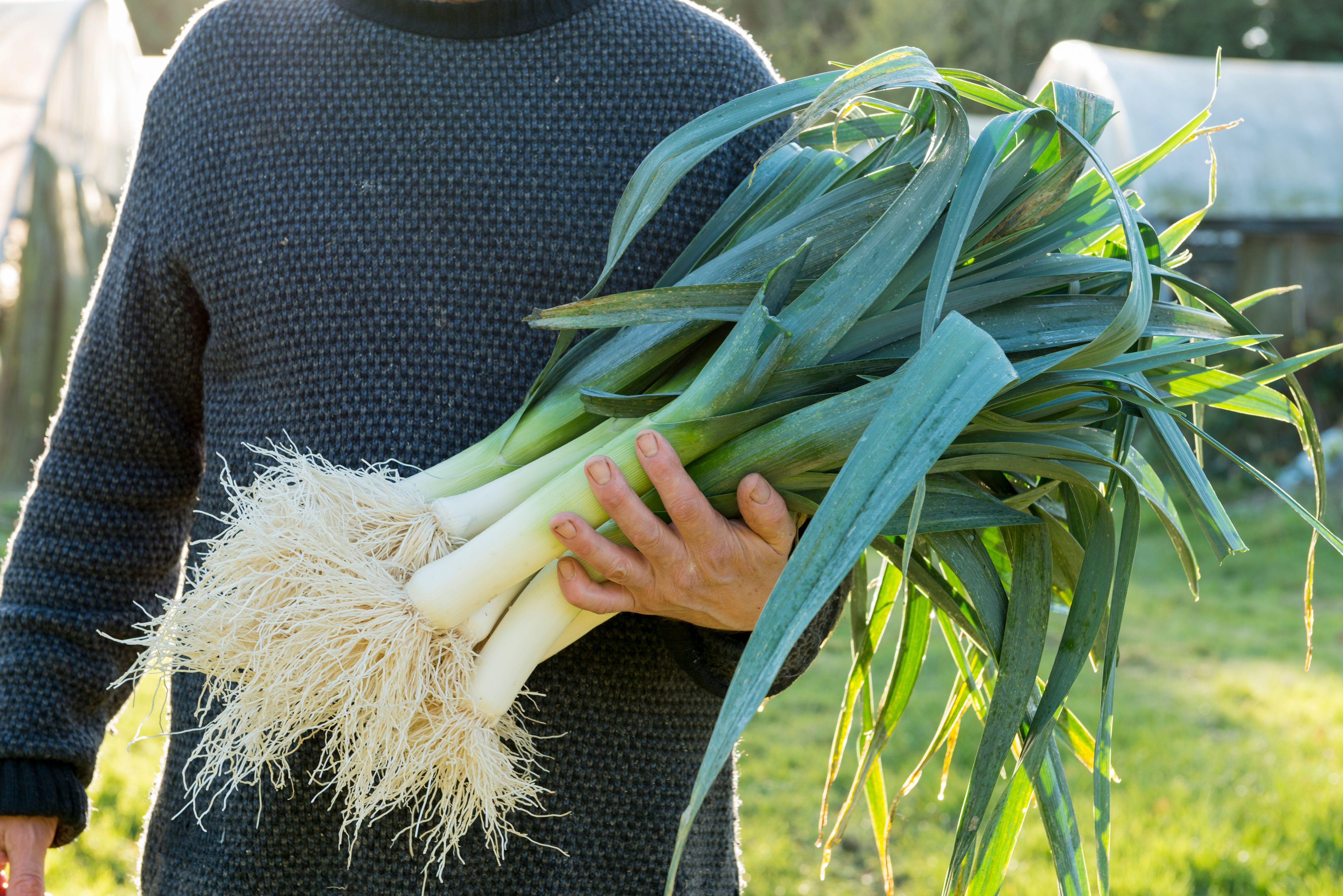
In winter a lot of plants go into dormancy but we grow stunning chicory and radicchio and now is when our leeks (that have been fattening since we planted them in June) really come into their own along with, of course, all our different kales, perpetual spinach and chard, which sees us all the way through until around April. Also, our stored squash just gets tastier and we can keep digging up fresh celeriac until there’s a serious frost.
From UK farms we source Brussels sprouts and the last of the local apples and pears. Winter is when the aforementioned array of cabbages and starchy roots keep us powering on!
From further afield we source citrus! Now is the time for sevilles, blood oranges, navel oranges and clementines.
The 'hungry gap'
(April-June)
During the ‘hungry gap’ (April-June) it is much more challenging for us to source locally.
This is the period when crops such as kale and chard, which have been in the ground over the winter, come to the end of their life and start to flower. At the same time stored root vegetables begin to deteriorate and run out, whilst recently sown crops are still in their infancy. Despite increasing sunshine and a feeling of optimism in the air it is the sparsest time of year for fresh produce. However, with supermarket shelves fully-stocked all year round, it is no wonder this isn’t common knowledge.
In the past, before widespread and affordable imported goods, the ‘hungry gap’ really did mean a diet of old potatoes and preserved food. Thanks to our carefully concocted crop plan which makes the best possible use of our indoor space, we can offer our customers better than this but we also work with our wholesale partners to bring produce from other countries, largely Spain and Italy. Obviously, this is not ideal in terms of carbon emissions, but it is worth remembering that during this period, transporting things like tomatoes via lorry results in less carbon than growing them here in heated glasshouses would.
Our website is designed to clearly show the origin of each item in your box every week. Our swaps function then allows you to remove anything you don’t want, for whatever reason, whether personal preference or environmental stance, and to do so on a box-by-box basis. So, if you want to switch your avocados for UK grown mushrooms, that’s no problem! Equally, if you want to switch back next week because guacamole is on the menu, that’s absolutely fine, too! We want to empower you with the information to make your own choices and whilst we will obviously respond to demand, we also want to remain flexible as different people navigate their own idea of being responsible consumers. We hope this approach will help improve understanding of what is seasonal and inspire our customers to really enjoy produce at its best, as well as to know that orders of every kind support a small team with big ambitions.
We also want to acknowledge that some things we regularly put in our boxes, like bananas, just can’t be grown locally. We choose to include these as we know most people now purchase them on a regular basis and we want everyone be able to rely on us for the majority of their fresh groceries. This is why we offer different box sizes, so if you’re a family of four or more you might like to order multiple large fruit and veg boxes (and weekly extras too!), or if it’s just you, a smaller box with some fortnightly supplementary garlic and lemons might be enough. You really can tailor a bespoke delivery that fits your lifestyle, safe in the knowledge that your payments go not to a huge corporation, but to a group of passionate people committed to doing better and better.
Some of our goals for the future are purchasing electric farm vehicles, increasing our solar power generation and expanding our outreach into the community we exist within


© 2026 - Barcombe Nurseries
Powered by
